Whyalla
A steel city on the upper Spencer Gulf, and the only place on earth where giant Australian cuttlefish gather to breed in their thousands.
A steel city with an underwater secret
Whyalla is one of South Australia's largest regional cities, built on iron ore and steel on the shores of the upper Spencer Gulf. Its industrial roots run deep - the town grew from a BHP settlement at the foot of Hummock Hill, the rise that Matthew Flinders named in 1802 - yet its most extraordinary draw lies just offshore. Each winter near Point Lowly, tens of thousands of giant Australian cuttlefish gather to breed in a shimmering display of colour, the only known mass breeding aggregation of its kind on the planet.
What there is to do
The maritime story is told brilliantly at the Whyalla Maritime Museum, home to the landlocked warship HMAS Whyalla, while the Mount Laura Homestead Museum preserves the region's pioneer past. The Point Lowly Lighthouse stands sentinel over the gulf, and the Hummock Hill Lookout takes in sweeping coastal views. Closer to the centre, the Whyalla Foreshore and Marina links by walkway to the shady lawns of Ada Ryan Gardens, with the Whyalla Wetlands and mangrove boardwalk and the Whyalla Conservation Park rounding out easy days outdoors.
Visiting Whyalla - frequently asked questions
What is Whyalla best known for?
Whyalla is one of South Australia's largest regional industrial cities, long associated with iron ore mining and steelmaking. For visitors, its standout attraction is the annual gathering of giant Australian cuttlefish near Point Lowly between May and August - the only known mass breeding aggregation of its kind in the world.
How far is Whyalla from Adelaide?
Whyalla sits on the eastern edge of the Eyre Peninsula, roughly 385 km from Adelaide by road. The drive takes about four to four and a half hours up the Spencer Gulf, making it a comfortable gateway stop for travellers heading further into the peninsula.
When is the best time to see the cuttlefish at Point Lowly?
The giant Australian cuttlefish gather to breed between May and August each year, with numbers usually peaking in June and July. The Point Lowly area, around 20 km north-east of the city centre, is the main viewing area, where snorkellers and divers can watch the colour displays in shallow, sheltered water near Stony Point.
What is there to do in Whyalla besides the cuttlefish?
Plenty. You can explore the Whyalla Maritime Museum and its landlocked warship HMAS Whyalla, learn pioneer history at the Mount Laura Homestead Museum, and take in views from the Hummock Hill Lookout. The Whyalla Foreshore and Marina, Ada Ryan Gardens, the Whyalla Wetlands and the Whyalla Conservation Park all offer relaxed days outdoors.
Can you visit the Point Lowly Lighthouse?
Yes. The Point Lowly Lighthouse, built in 1883, stands on the coast a short drive north-east of Whyalla. It is a popular spot for sweeping views across the upper Spencer Gulf towards the Southern Flinders Ranges, and sits close to the prime cuttlefish snorkelling area.
Things to do in Whyalla
10 places in this category
No places in this category here yet.
Stories from Whyalla
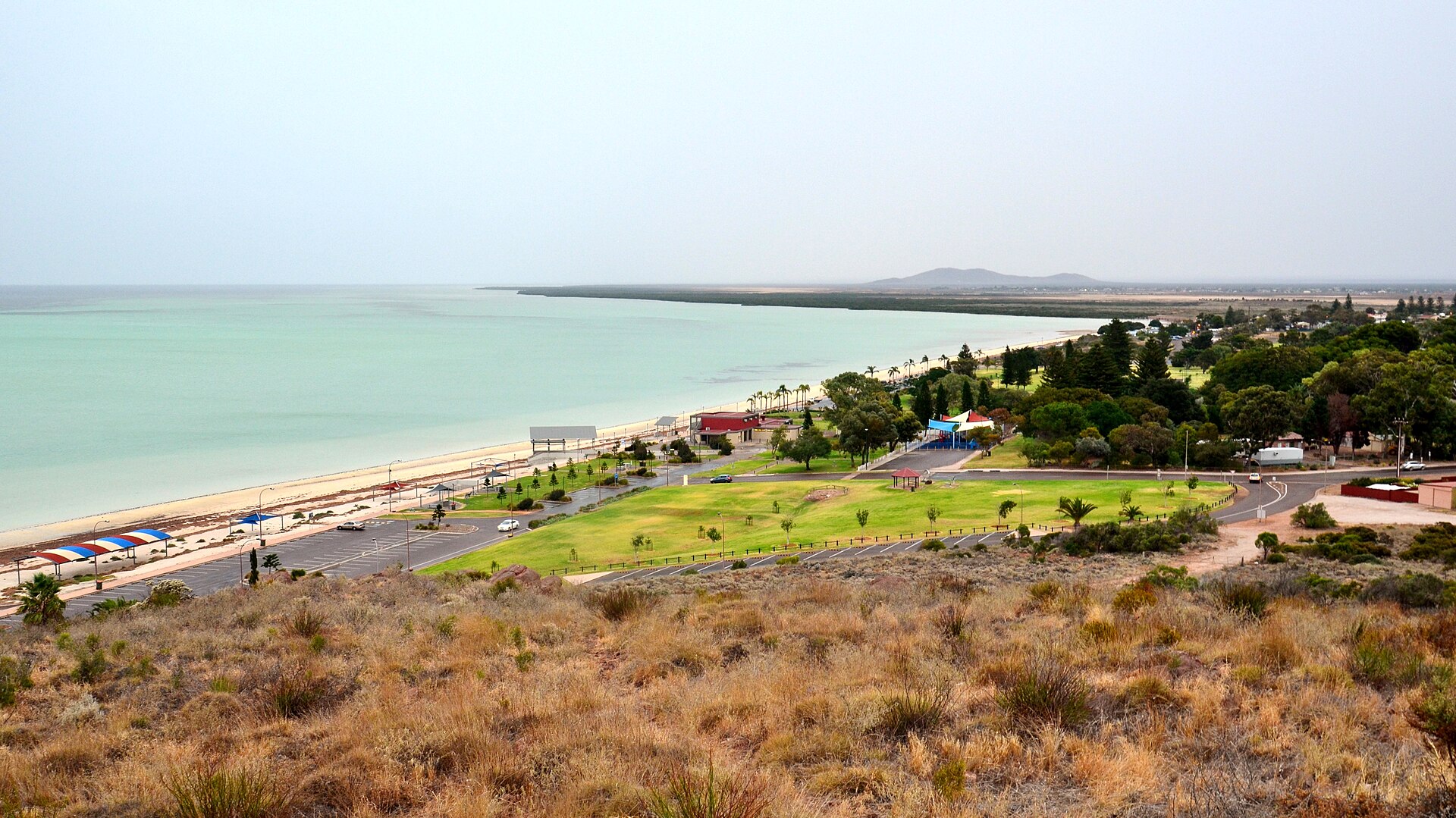
Whyalla Beyond the Steel
Whyalla wears its steelworks proudly - but spend a day here and a stranger, saltier city emerges: wartime hills, foreshore gardens and a harbour full of unexpected life.
June 2026 · 6 min read
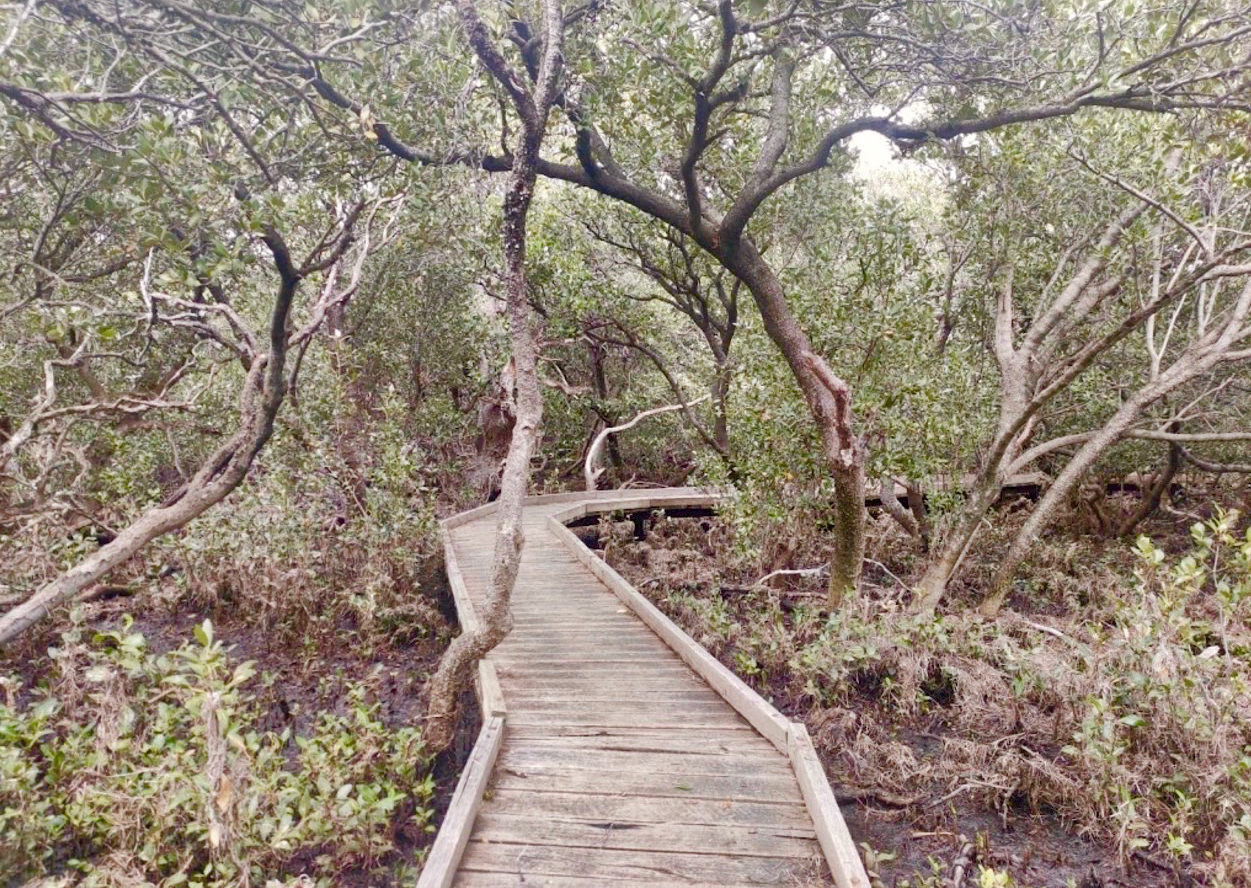
Whyalla's Hidden Mangroves
On the edge of Australia's steel city, a boardwalk winds through some of the most southerly mangroves on earth - a fragile nursery beside heavy industry.
June 2026 · 4 min read
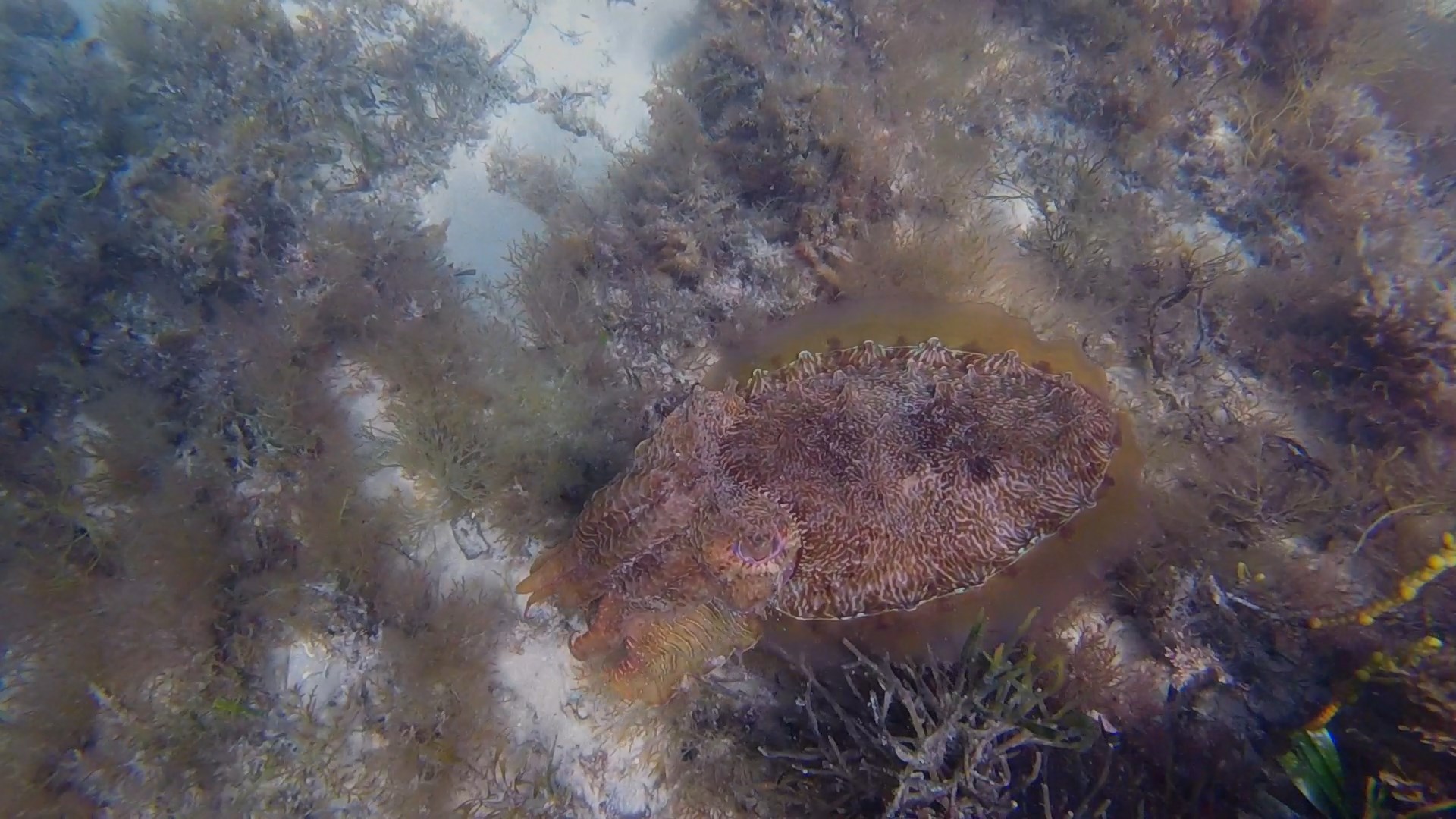
The Giant Cuttlefish of Whyalla
Every winter, tens of thousands of Australian giant cuttlefish mass in the shallows off Whyalla in a shimmering display found nowhere else on Earth.
June 2026 · 5 min read
Explore nearby destinations
Image credits
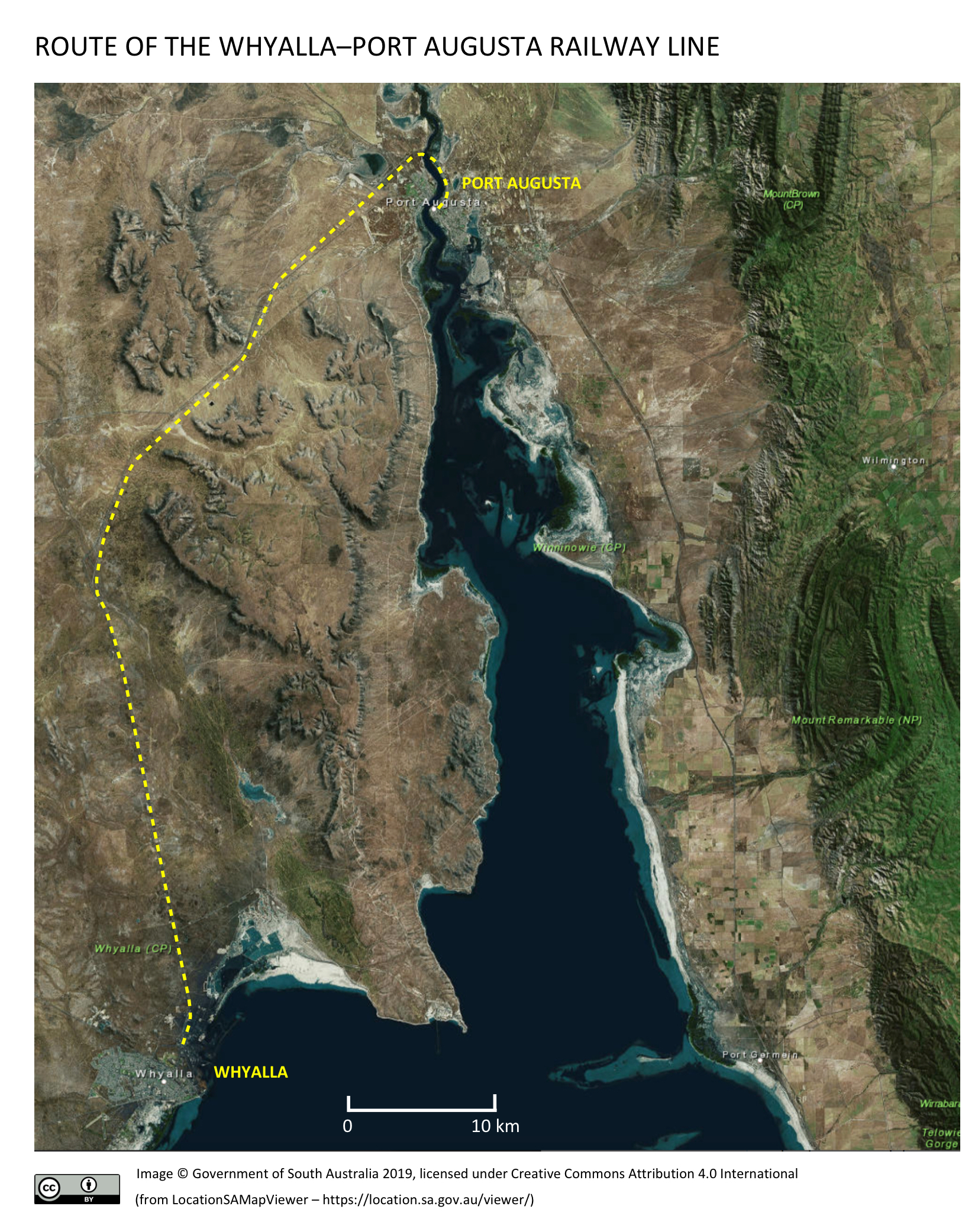
- Route of the Whyalla–Port Augusta railway line.jpg by Staff of the Government of South Australia. , CC BY 4.0 via Wikimedia Commons