
Gawler Ranges
An ancient volcanic landscape of rust-red rhyolite, organ-pipe rock formations and arid-zone wildlife on the northern edge of the Eyre Peninsula.
An ancient volcanic landscape
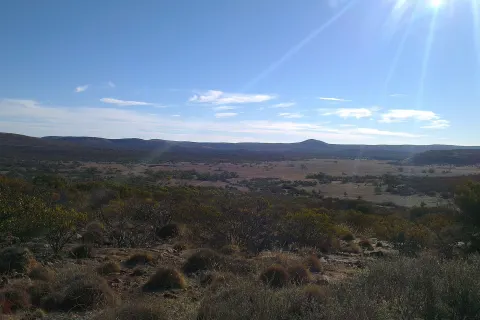
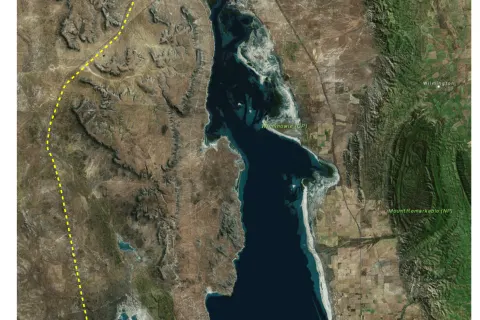
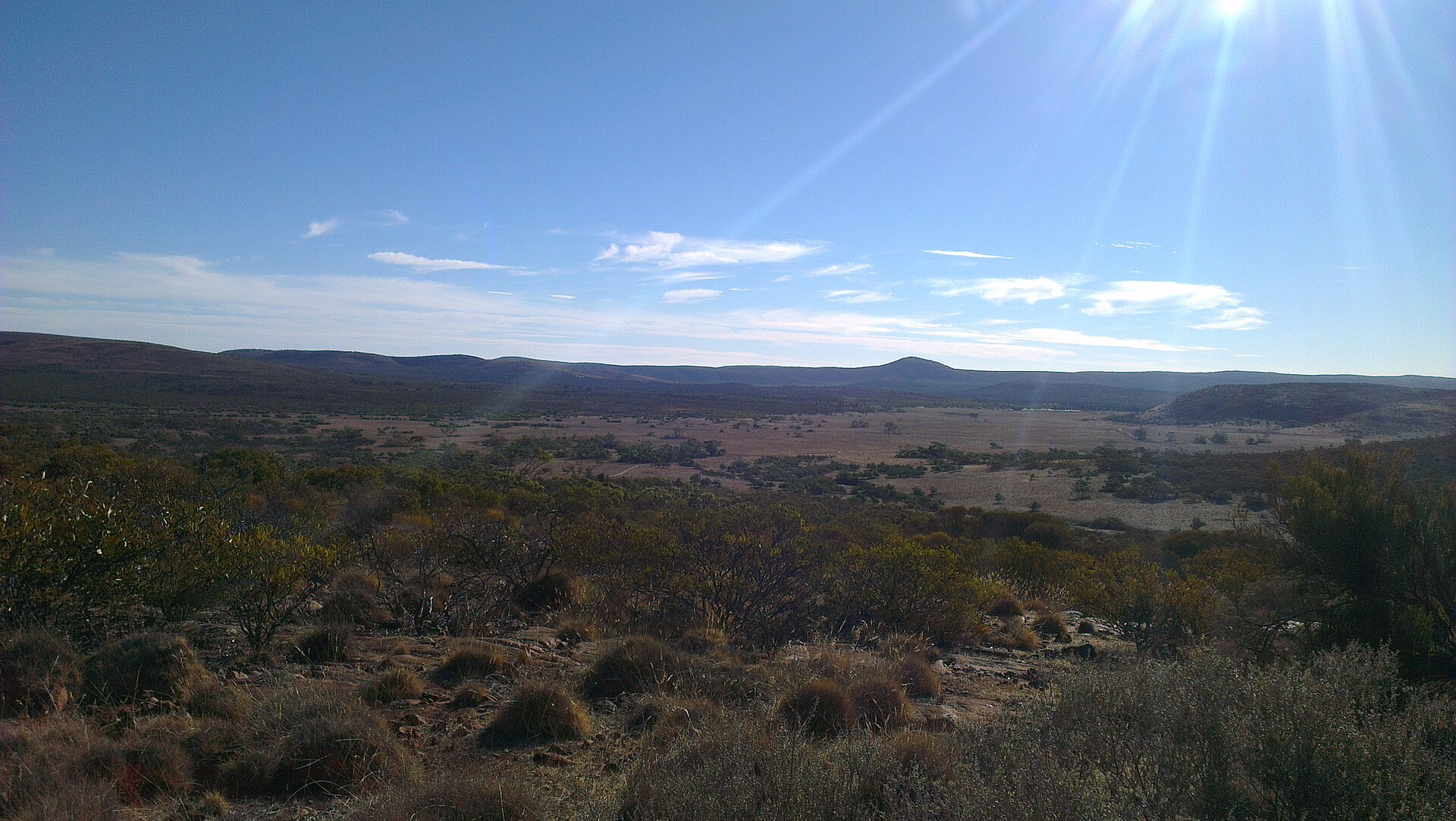
The Gawler Ranges rise inland from the Eyre Peninsula's grain country, an ancient volcanic landscape formed around 1,500 million years ago from weathered rhyolite domes, ochre gorges and dramatic organ-pipe rock columns at Kolay Mirica Falls. These rhyolite formations are among the oldest exposed volcanic rocks in the world. Gawler Ranges National Park protects this semi-arid wilderness, home to yellow-footed rock-wallabies and more than 400 plant species, with the towering rock columns of the Organ Pipes its signature sight.
A pastoral past
Much of the park began as the Paney Station pastoral lease, acquired by the state around 2000. The restored Old Paney Homestead, with thick stone walls raised in the late nineteenth century, tells the story of the McKenzie family and the hard graft of running sheep in this dry, remote country.
What visitors do
This is genuine four-wheel-drive territory, with roads unsealed. Travellers come to camp beneath the domes, walk the gorges, watch the rocks glow at sunset and spot wildlife at dawn. To the north, the vast salt flats of Lake Gairdner National Park stretch white to the horizon and host occasional land-speed events.
Visiting Gawler Ranges - frequently asked questions
What is the Gawler Ranges known for?
The Gawler Ranges are best known for their ancient volcanic scenery, including weathered rhyolite domes, ochre gorges and the dramatic organ-pipe rock columns at Kolay Mirica Falls and the Organ Pipes. These rhyolite formations, around 1,500 million years old, are among the oldest exposed volcanic rocks on Earth. The area is also home to yellow-footed rock-wallabies and a rich variety of arid-zone plants, with more than 400 plant species recorded in the national park.
How far is the Gawler Ranges from Adelaide?
Gawler Ranges National Park lies in the northern Eyre Peninsula, roughly a six-hour drive northwest of Adelaide. The nearest regional towns are Wudinna, Minnipa and Kimba, with the park sitting about 40 kilometres north of Wudinna. Most visitors fuel and stock up in these towns before heading in, as services inside the park are very limited.
What is there to do in the Gawler Ranges?
Visitors come to explore the gorges and rock formations on foot, camp among the domes and watch the rhyolite glow orange-red at sunset, especially around Kolay Mirica Falls. The restored Old Paney Homestead offers a window into the area's pastoral history. Wildlife watching at dawn and dusk is rewarding, with rock-wallabies and emus often about.
When is the best time to visit the Gawler Ranges?
Autumn through to spring, roughly late March to November, is the most comfortable time to visit. Summer temperatures regularly climb well into the 40s, making outdoor exploration difficult and increasing the risk of being caught out in remote country. Cooler months bring milder days that are far better suited to walking, camping and driving the unsealed tracks.
Do I need a four-wheel drive to visit the Gawler Ranges?
A high-clearance vehicle is strongly recommended, as the roads in and around Gawler Ranges National Park are unsealed gravel tracks. Even a little rain can quickly make them slippery or impassable, so it is wise to check conditions before setting out and carry plenty of water, fuel and supplies. The nearby Lake Gairdner National Park to the north also calls for a high-clearance four-wheel drive.
Things to do in Gawler Ranges
5 places in this category
No places in this category here yet.
Stories from Gawler Ranges
Salt and Speed: A Lake Gairdner Pilgrimage
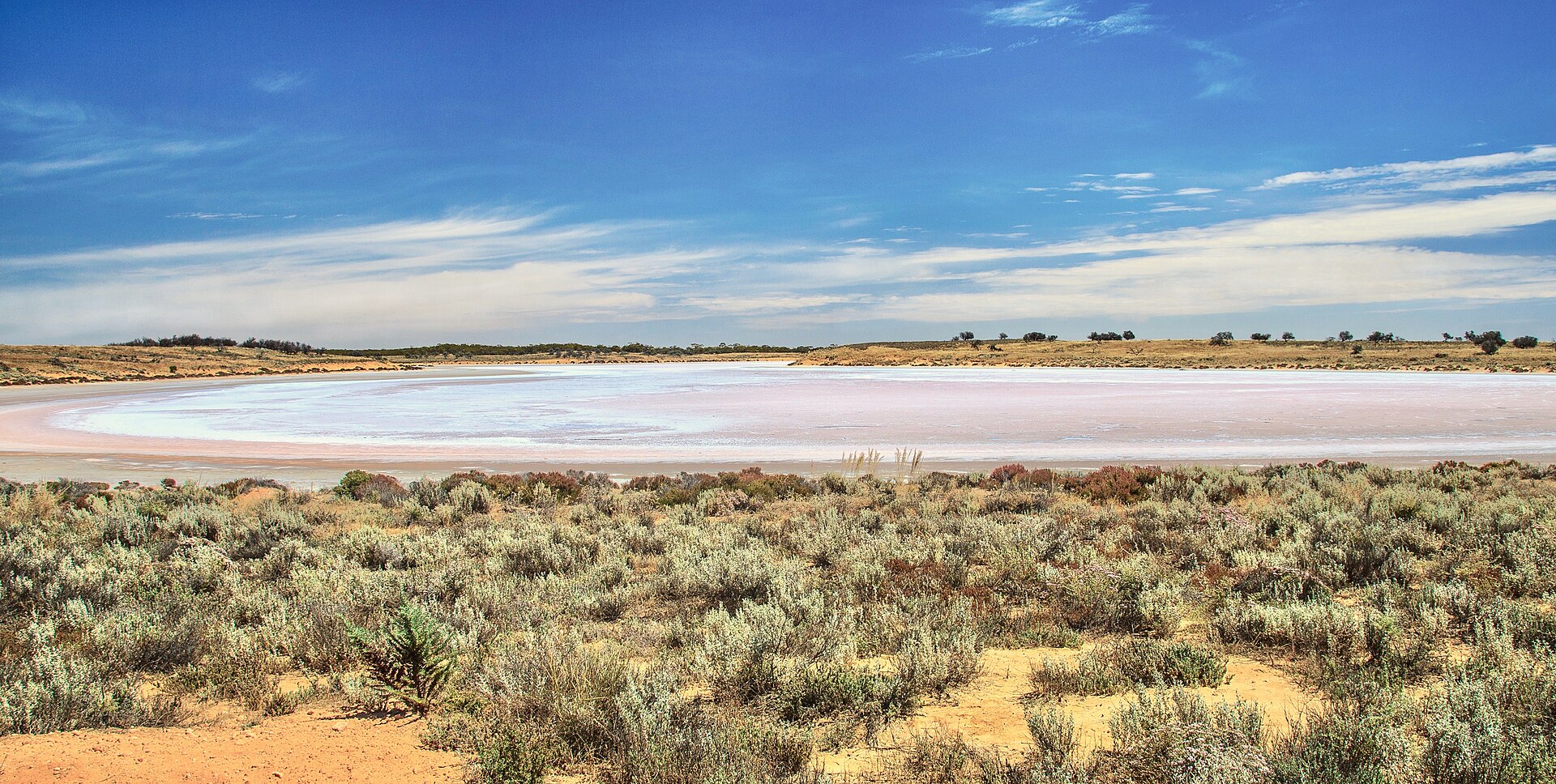
North of the Gawler Ranges lies a salt lake 160 kilometres long - a blinding white stage that hosts land-speed racers one week a year and perfect silence the rest.
June 2026 · 6 min read
Into the Gawler Ranges
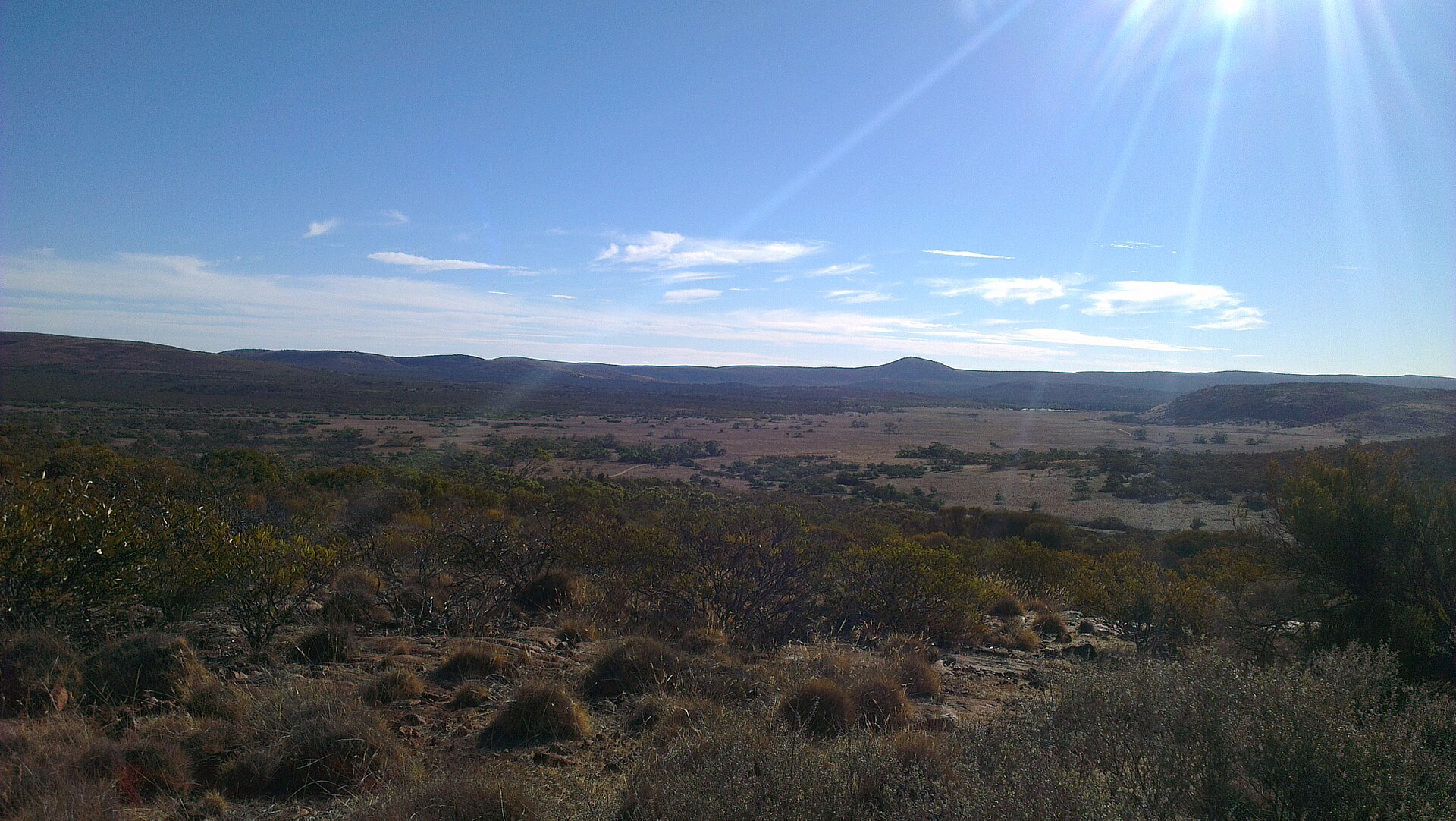
Inland from the oyster bays lies a 1,500-million-year-old volcanic landscape of organ-pipe rock columns, rock-wallabies and deep red gorges. We headed into the Gawler Ranges.
June 2026 · 6 min read
Explore nearby destinations
Image credits
- Gawler Rangest National Park.jpg by Ghoongta , CC BY-SA 3.0 via Wikimedia Commons