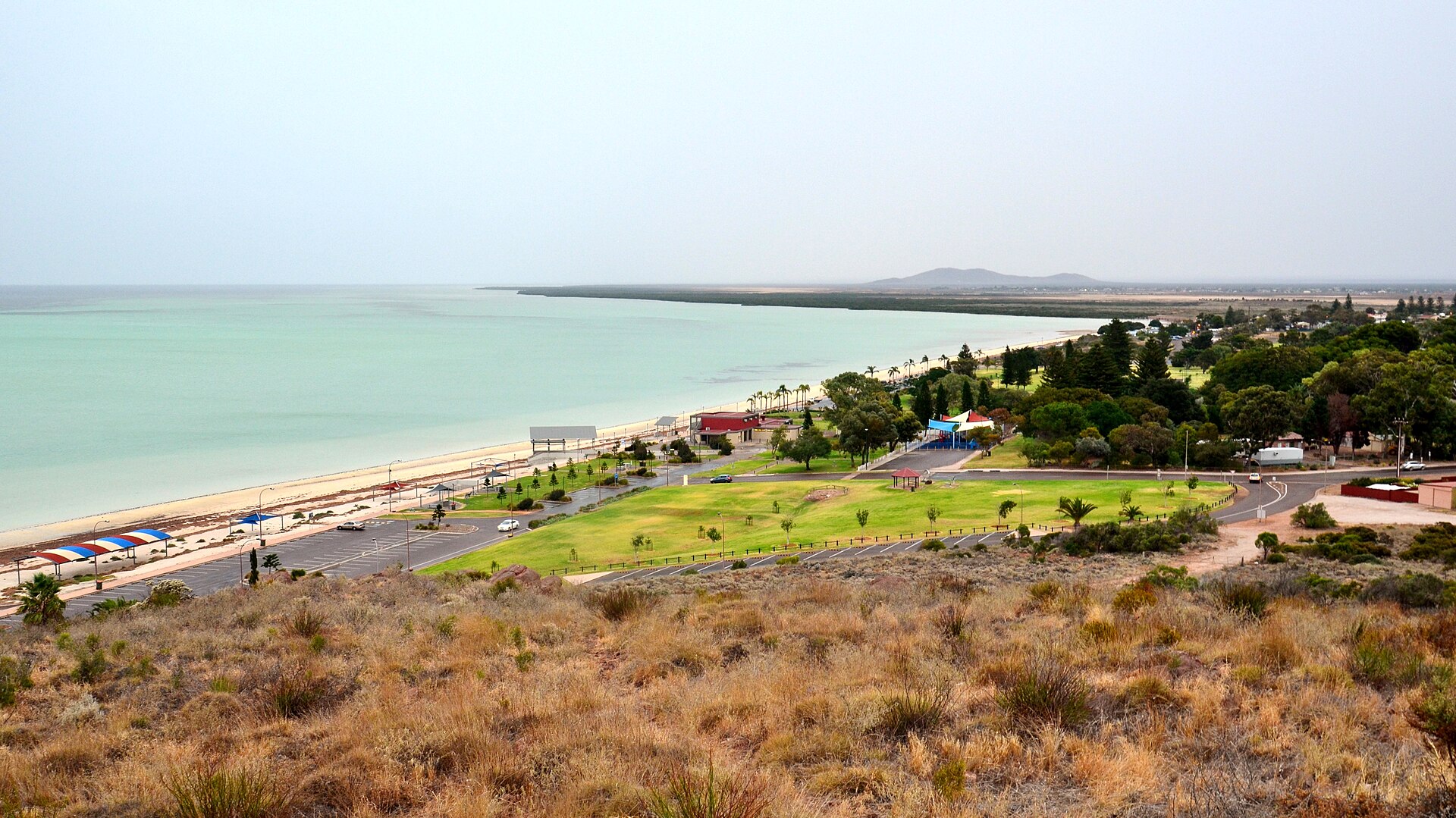
Whyalla wears its steelworks proudly - but spend a day here and a stranger, saltier city emerges: wartime hills, foreshore gardens and a harbour full of unexpected life.
Every South Australian knows exactly one fact about Whyalla: steel. The blast furnace glow, the ore trains, the working skyline across the saltbush. It is all true and all visible - but it is maybe a third of the story. Spend an actual day in the state's largest regional city and a stranger, older, saltier place keeps surfacing between the smokestacks.
Start on the hill
Begin where the city did. Hummock Hill is where Whyalla was founded in 1901 as a BHP port for Middleback Ranges iron ore, and the lookout on its summit is built - literally - into World War II gun emplacements. When the shipyards and steelworks were judged a potential target, the hill was fortified with a gun battery and observation post; a restored anti-aircraft gun still points seaward, and the old concrete works now frame the best view in the city: steelworks one way, blue gulf the other, the Flinders Ranges floating across the water on clear days.
The soft centre
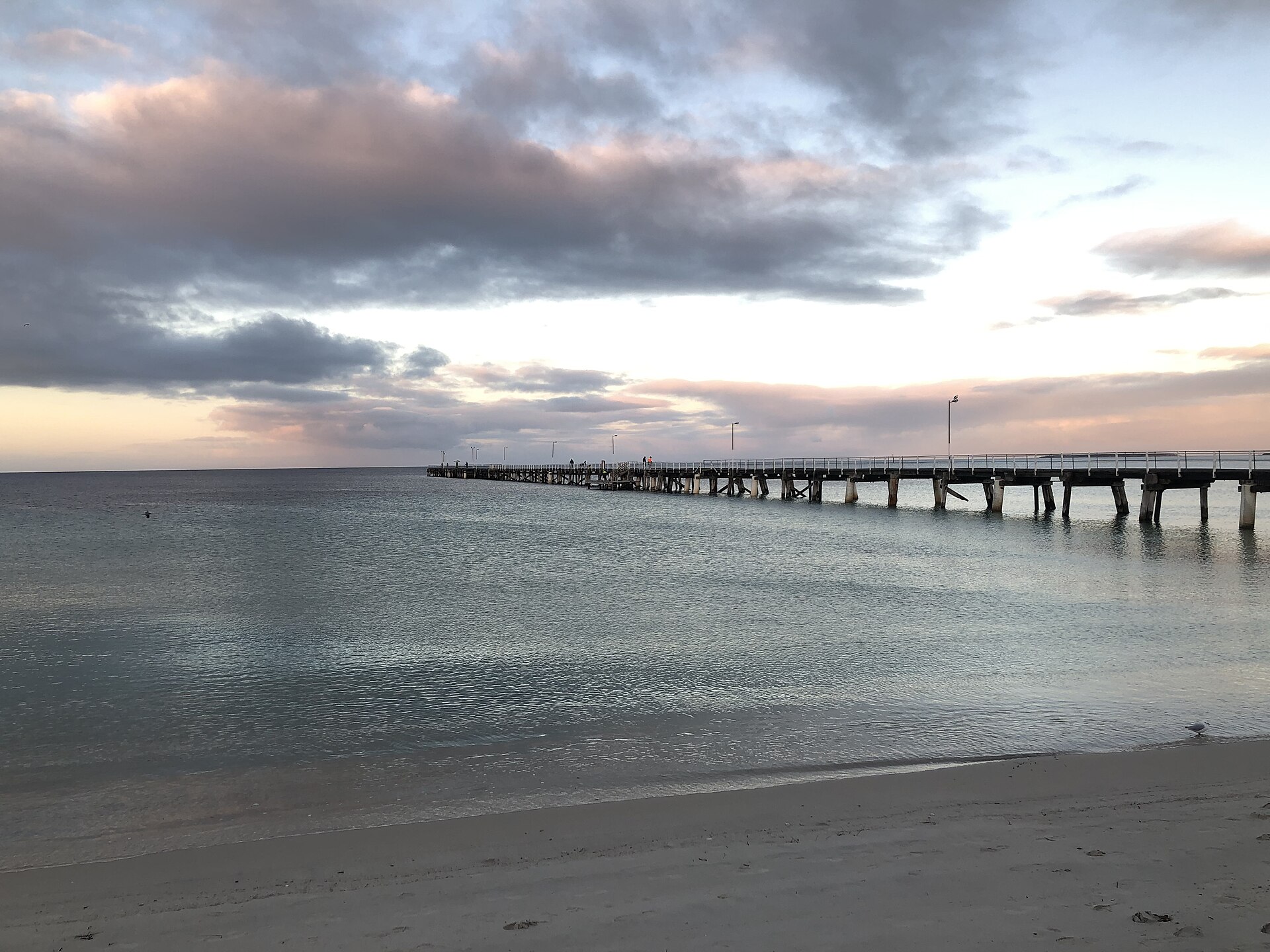
Below the hill, the city keeps its gentler secrets. The Ada Ryan Gardens - Whyalla's oldest park, named for the wife of an early town commission chairman, and once the site of the city's first cemetery - roll out deep shade, aviaries and free barbecues right behind the beach. Next door, the netted swimming enclosure and jetty of the city foreshore host an improbable marine spectacle: the jetty pylons shelter seahorses and, if you are lucky, the ornate sea dragons that divers travel here to find.
A warship in a car park
Whyalla's shipyards built more than fifty vessels, and the first of them never left. HMAS Whyalla, a corvette launched in 1941, now sits high and dry beside the highway at the Whyalla Maritime Museum - one of the few places in the country where you can walk under a warship's keel, then up onto her decks. The museum around her tells the shipbuilding story with the unsentimental pride of a town that actually did the riveting.
Winter's strangest show
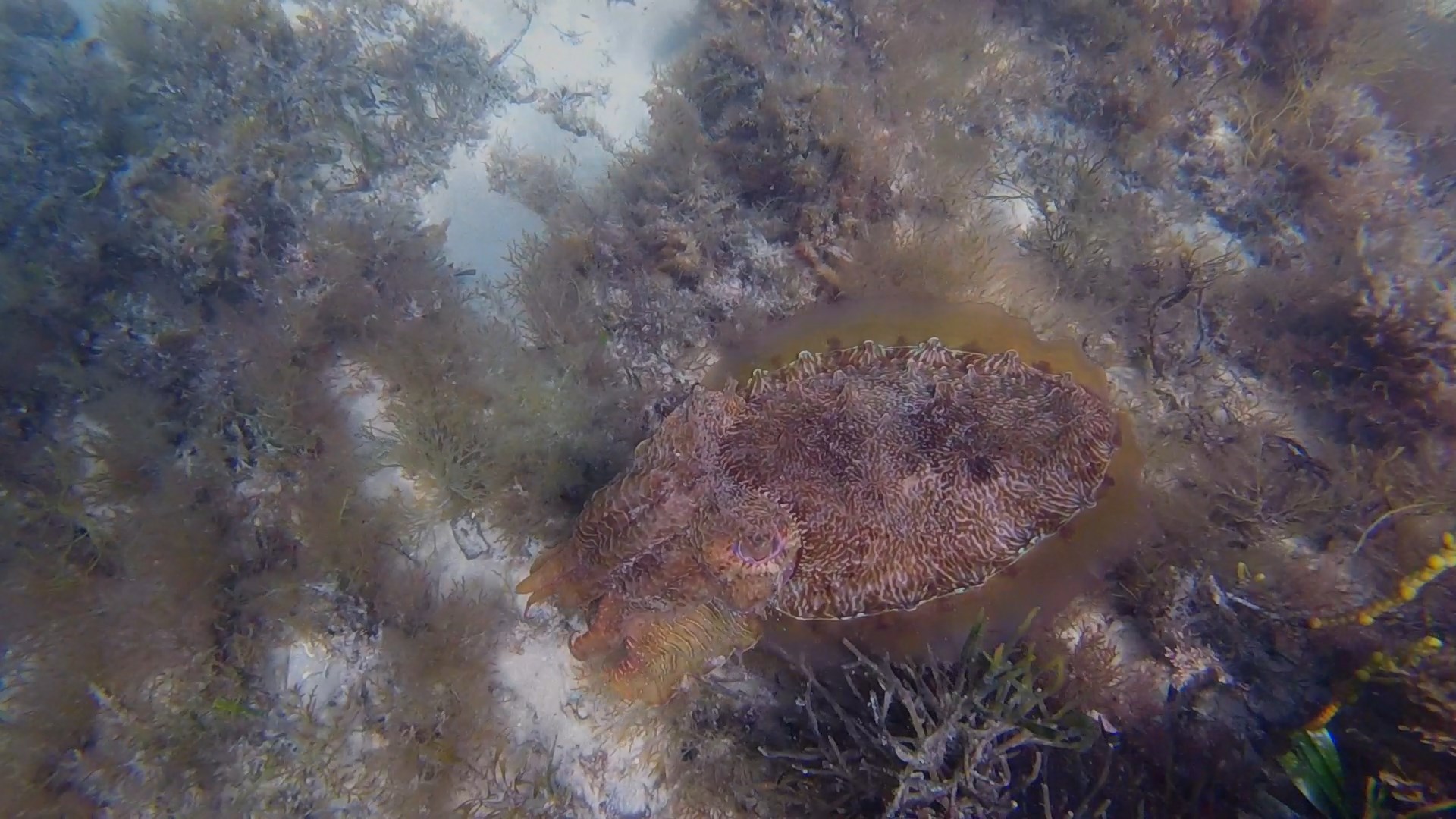
And then there is the cuttlefish. Every winter, from roughly May to August, hundreds of thousands of giant Australian cuttlefish converge on the rocky reefs near Point Lowly to breed - flashing colour like living neon signs in a few metres of water. It is the only known mass aggregation of its kind on earth, and snorkellers in thick wetsuits drift above it at Stony Point and the Point Lowly reefs in slack-jawed disbelief. We tell that story properly in The Giant Cuttlefish of Whyalla.
The verdict
Steel built Whyalla, and the city has stopped apologising for it - the steelworks lookout is itself a genuinely compelling stop. But the revelation of a day here is everything around the steel: wartime concrete, garden shade, a landlocked corvette and a gulf that hides some of the strangest marine life in Australia. Come for the furnace glow. Stay for the sea dragons.