By Editorial Team · · 6 min read
When the great grain ships stopped coming, one Finnish carpenter stayed behind - and spent fifty years building the boats that built Port Lincoln.
In the 1920s, Port Lincoln was one of the last places on earth where you could watch the age of sail die in real time. The great four-masted windjammers - the final commercial sailing fleet in the world - still rounded into Boston Bay each summer to load South Australian wheat for Europe, racing each other home around Cape Horn for the honour of the year's first cargo. The town's deep harbour made it a favourite call. And in 1927, when the barque Olivebank dropped anchor, two of her Finnish crew looked at the place and made a decision that would outlast the ships themselves.
The man who stayed
Axel Stenross was born in 1895 in Finby, Finland, into a family of boatbuilders, and went to sea at twelve. By the time the Olivebank reached Port Lincoln he was a fully fledged ship's carpenter with the world's oceans behind him. He and shipmate Frank Laakso came ashore, found work, and stayed; Axel established a slipway on the northern foreshore of Boston Bay and set about doing the only thing his family had ever done - building and repairing wooden boats.
His timing was perfect. The windjammers faded, but Port Lincoln's fishing fleet was about to boom, and for the next half-century Axel's slipway hauled out, patched, rebuilt and launched the workboats of an industry on its way to making this town the seafood capital of Australia. He worked the slip almost to the end of his life in 1980 - a one-man bridge between the age of sail and the age of the tuna boat.
The museum that never stopped working
Three years after his death, his waterfront became the Axel Stenross Maritime Museum - and it remains the rarest kind of heritage site: one that still smells of tar and shavings. His living quarters survive as he left them. The blacksmith shop stands ready. The slipway still operates. Around them, sheds hold a dense cargo of windjammer-era relics - tools, rigging, ship models, photographs - much of it donated by the families of the sailors and fishermen Axel served, and interpreted by volunteers who often have salt history of their own.
Walking his shoreline
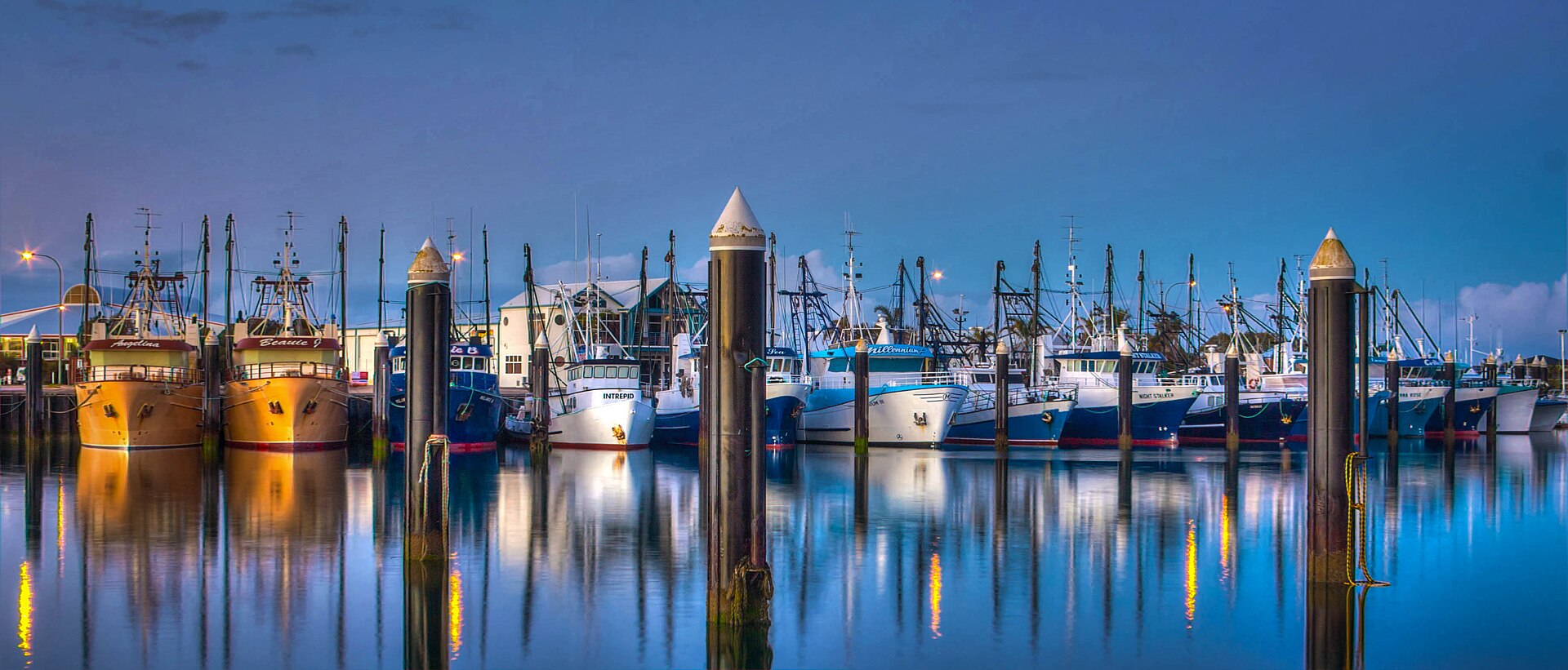
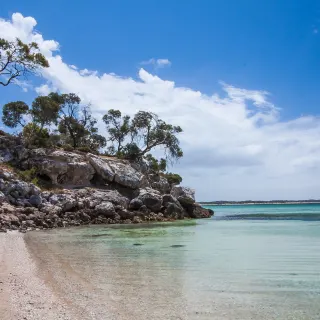
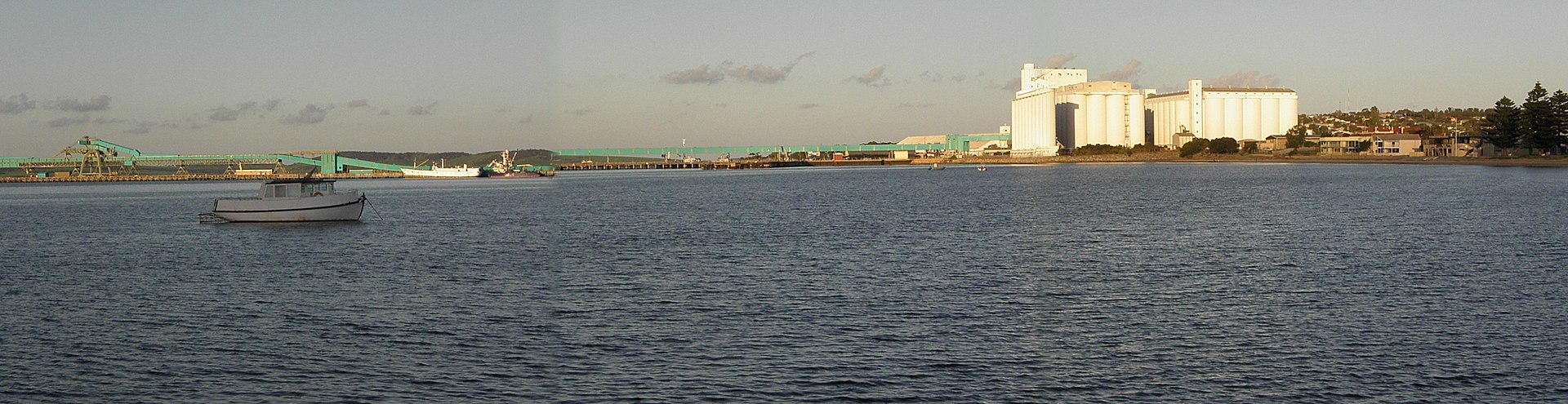
The museum sits right on the Parnkalla Trail, the shoreline path that traces Boston Bay through the city, which makes the visit easy to fold into a foreshore morning: start at the town jetty, walk the bay past the 1839 first landing site, spend an hour in Axel's sheds, and finish among the tuna boats at the marina - the modern fleet that is the direct descendant of his handiwork.
The fortunes that fleet made - the tuna barons, the pens, the seafood empire - are a story of their own, told in A Tuna Town's Fortune. But every empire needs a shipwright. Port Lincoln's arrived under sail, stayed for the work, and left behind the most quietly moving museum on the Eyre Peninsula.