By Editorial Team · · 6 min read
North of the Gawler Ranges lies a salt lake 160 kilometres long - a blinding white stage that hosts land-speed racers one week a year and perfect silence the rest.
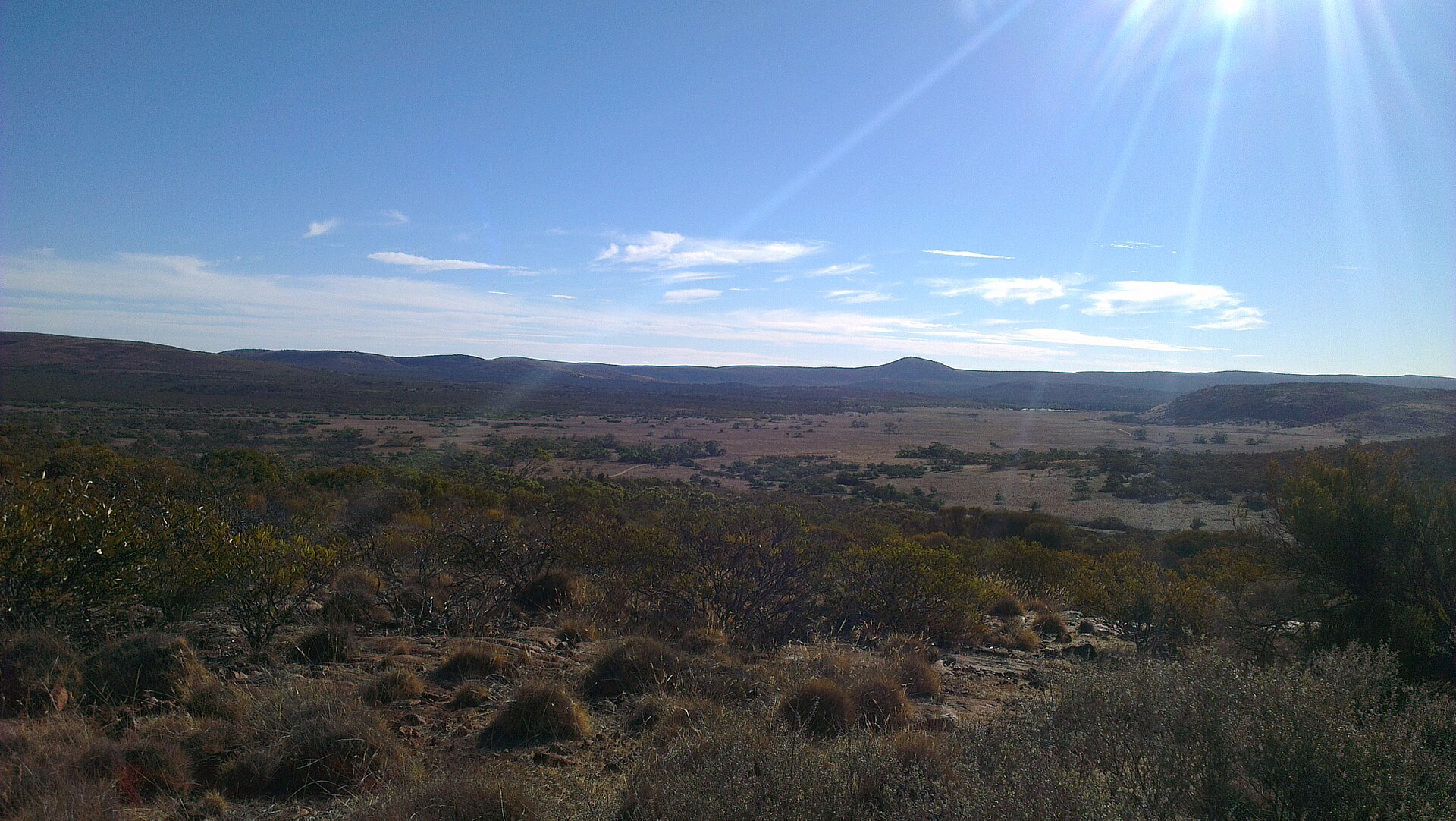
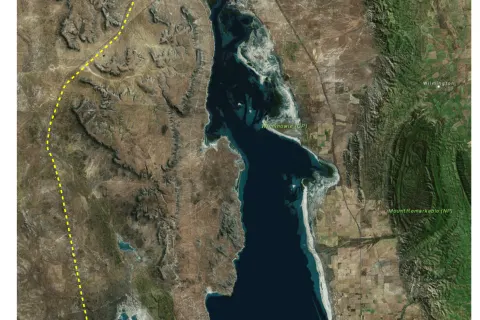
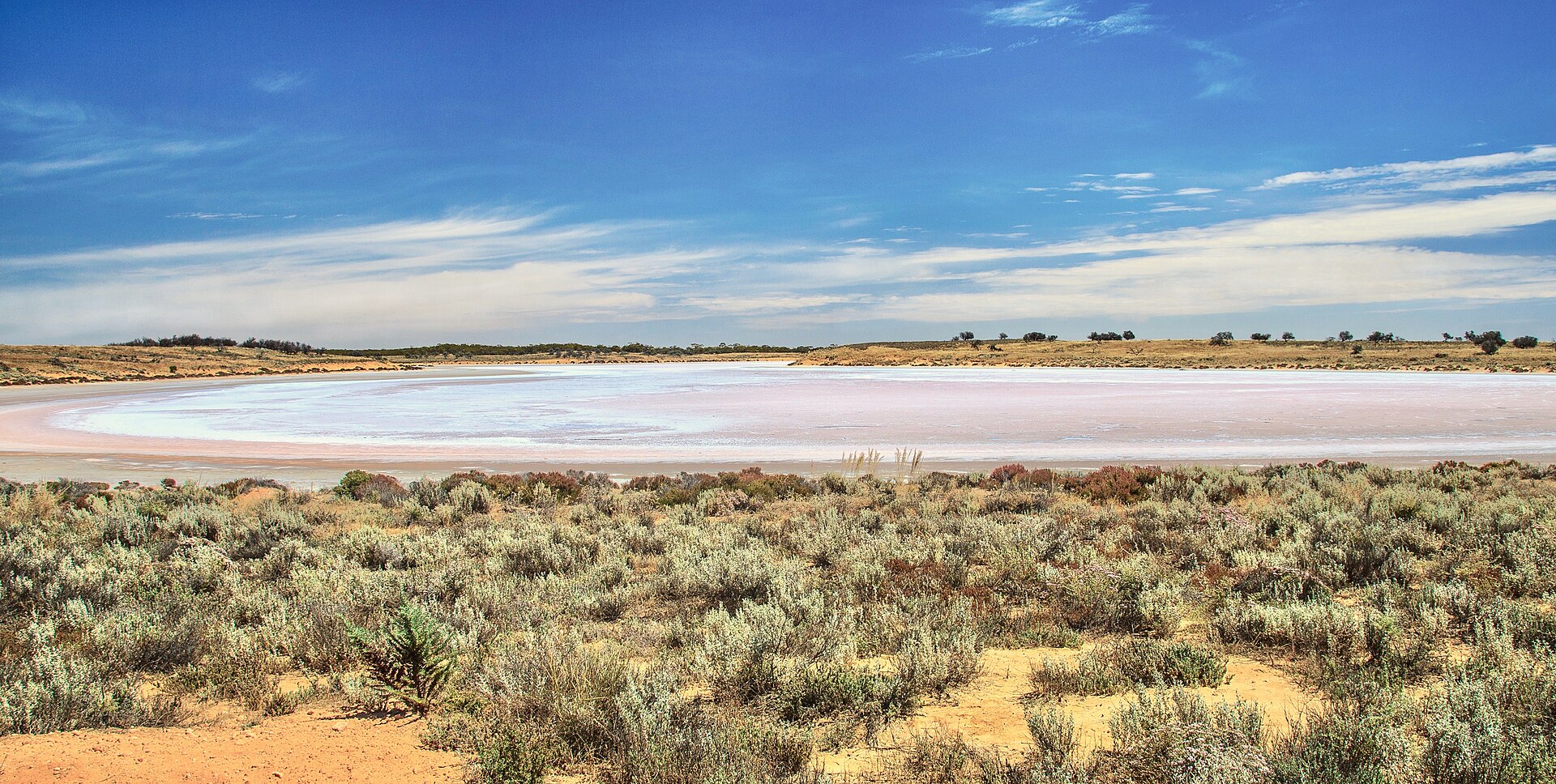
There is a moment, cresting the last rise on the station track north of the Gawler Ranges, when your brain refuses the view. The horizon has turned white - not heat-haze white but solid, mineral, wall-to-wall white - and it stays that way as far as you can see in three directions. This is Lake Gairdner: 160 kilometres long, up to 48 wide, the third-largest salt lake in Australia, and one of the strangest and most beautiful places you can stand in South Australia.
The white country
Lake Gairdner is protected as a national park, and it earns the title oddly: there are no facilities, no campgrounds, no visitor centre - just the lake, its 200-plus islands, and the red dunes and black volcanic hills that frame it. The salt lies up to a metre thick in places, hard enough to support a truck, blinding at noon and softly pink at dawn. The silence is total in a way coastal people find physically startling.
The lake and the ranges beside it are the country of the Gawler Ranges people, its traditional owners, for whom the lake holds deep significance - one more reason visitors stay off the salt surface and leave no trace.
One loud week
Since 1990, the lake has led a double life. Each year - conditions permitting - the Dry Lakes Racers Australia stage Speed Week on a measured track graded across the salt: streamliners, lakesters, vintage hot rods and motorcycles from across the country, all chasing land-speed records in the tradition of Bonneville. Around 150 entrants and their crews make the pilgrimage down the dirt roads, camp at the lake's edge, and spend a week trading runs at 300, 400, sometimes 500 km/h on a surface nature flattened for free.
Then they sweep up after themselves and the lake returns to silence, fifty-one weeks of it, broken only by wind and the occasional astonished traveller.
Getting there
The lake guards itself with distance. Access is by unsealed station roads - most travellers come via the Mount Ive area on the lake's southern side - and the tracks deteriorate quickly after rain, so check conditions, carry water and fuel, and tell someone your plans. The reward for the effort is having one of the country's great natural spectacles essentially to yourself.
The full circuit
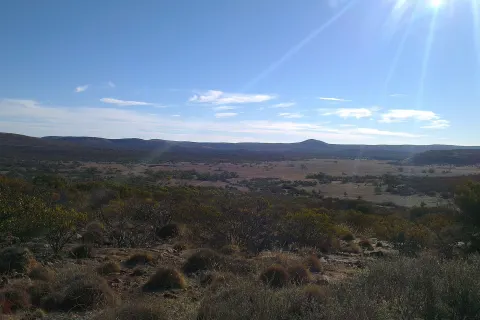
Nobody should drive this far for one view, and happily nobody has to. The lake pairs with Gawler Ranges National Park immediately south - wild granite-and-basalt country where the Organ Pipes erupt from a hillside and kangaroos own the tracks - and with the restored Old Paney Homestead, which tells the story of the pastoralists who tried to make a living within sight of all that salt. Our story Into the Gawler Ranges maps the whole inland loop; the lake is its dazzling, disorienting white full stop.